
GEO analysis for teams building the next discovery channel.
Practical field notes on AI visibility, citations, content systems and answer-engine change.
Evidence-led writing on how AI answers get made.
AI answer optimization: the three questions every page has to pass
Can it be found, can an answer be lifted out of it, and does the brand behind it get named. Most pages pass the first and fail the second — and the second is structural, not editorial.
What belongs in an AI visibility report (and what quietly ruins one)
A report someone will act on has four sections and one property: every number in it can be opened and traced back to an answer.
A robots.txt for AI crawlers you can actually defend
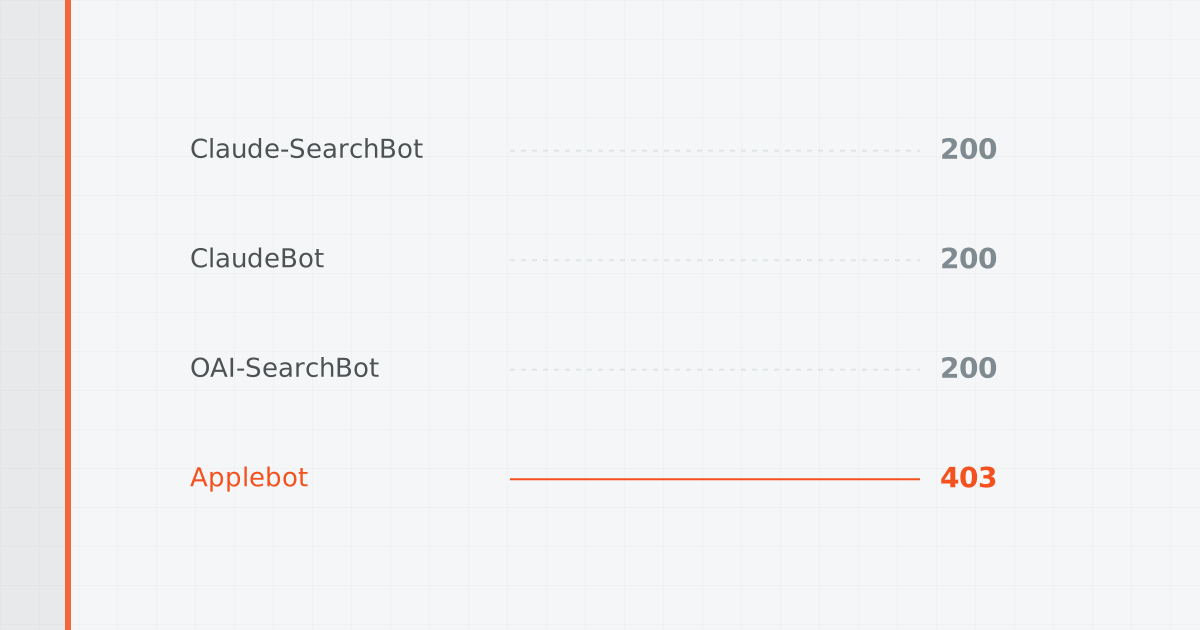
Not a copy-paste block — a file where every line has a reason written next to it, because the person reading it next year will not remember.
Schema markup for AI search: which types earn their keep
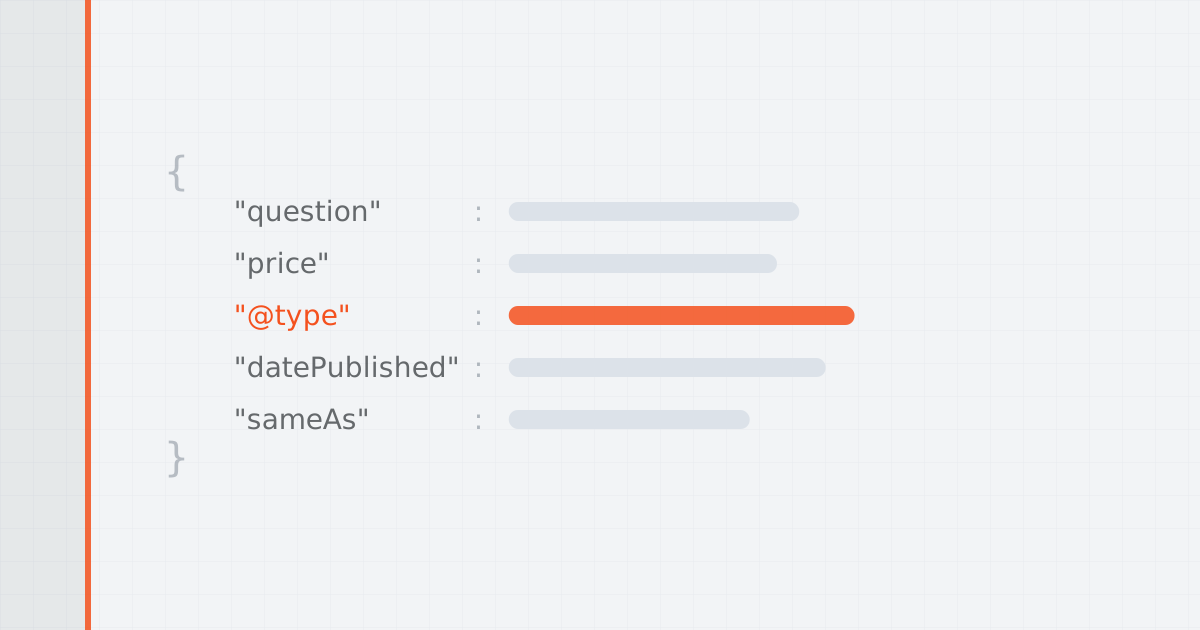
Structured data is still the cheapest way to state a fact in a form that survives extraction. But only a handful of types do real work, and one common pattern actively hurts.
Sitemaps and AI search: what still matters, and the failure nobody checks
A sitemap does not get you into AI answers. But a broken one quietly caps how much of your site is ever considered — and the break is usually invisible.
What is LLM SEO? A short answer and an argument about the name
LLM SEO, GEO, AEO and LLMO describe overlapping work with different emphases. Here is what each one actually points at, and which distinction is worth keeping.
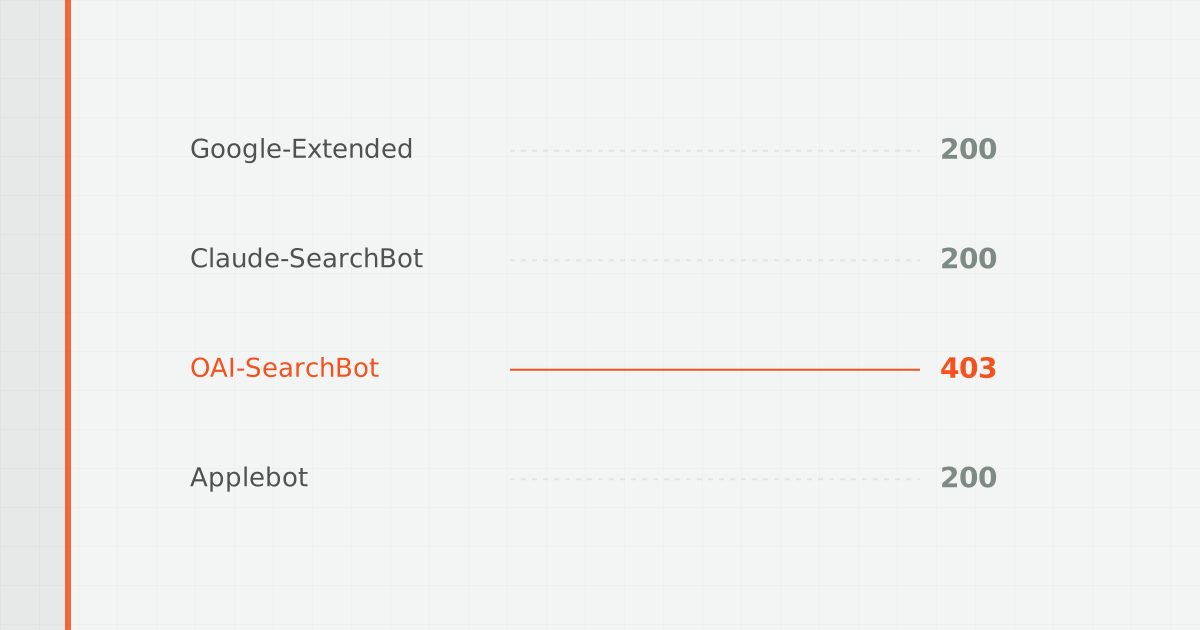
AI crawler user agents: what each one does, and what blocking it costs
Seventeen agents, four jobs. The table matters less than the distinction it encodes — training, retrieval, user-triggered fetch, and usage control are four different decisions.
A GEO audit you can run in one afternoon
Four gates between a URL and an AI answer. Each one is binary, each one is cheap to test, and there is no point working on gate three while gate one is closed.
What an "AI visibility score" can and cannot tell you
A single score is useful for one thing: noticing change. It is useless for the thing people buy it for: knowing what to do next.
Does ChatGPT cite my website? How to find out, and what a "no" usually means
You can answer this in an afternoon without any tooling. The useful part is knowing which of three different failures a negative result points to.
How to track brand mentions in ChatGPT: a method you can defend
Setting up the measurement is easy. Setting it up so the number survives someone checking it is the part that takes discipline.
Why a "ChatGPT rank tracker" is measuring something that isn't there
There is no position ten in an answer. What these tools report is usually the order brands happened to appear in one sample — and that moves for reasons unrelated to you.
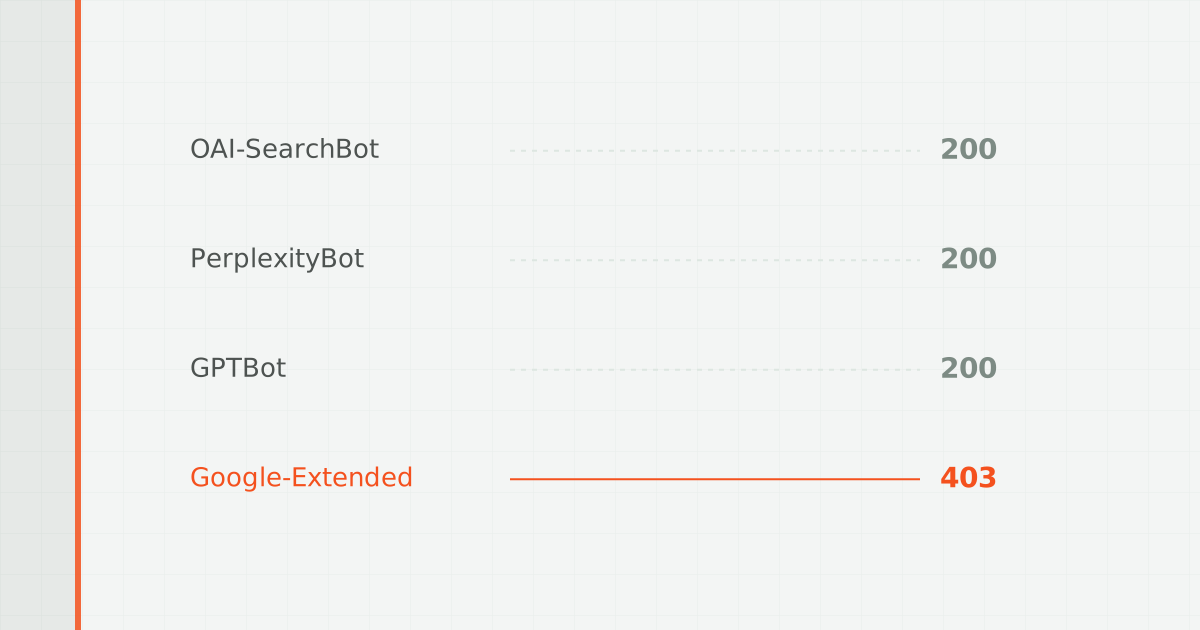
How to block GPTBot without disappearing from ChatGPT
The two decisions — training use and retrieval — are separable, and almost every robots.txt in the wild conflates them. Here is the file that separates them.
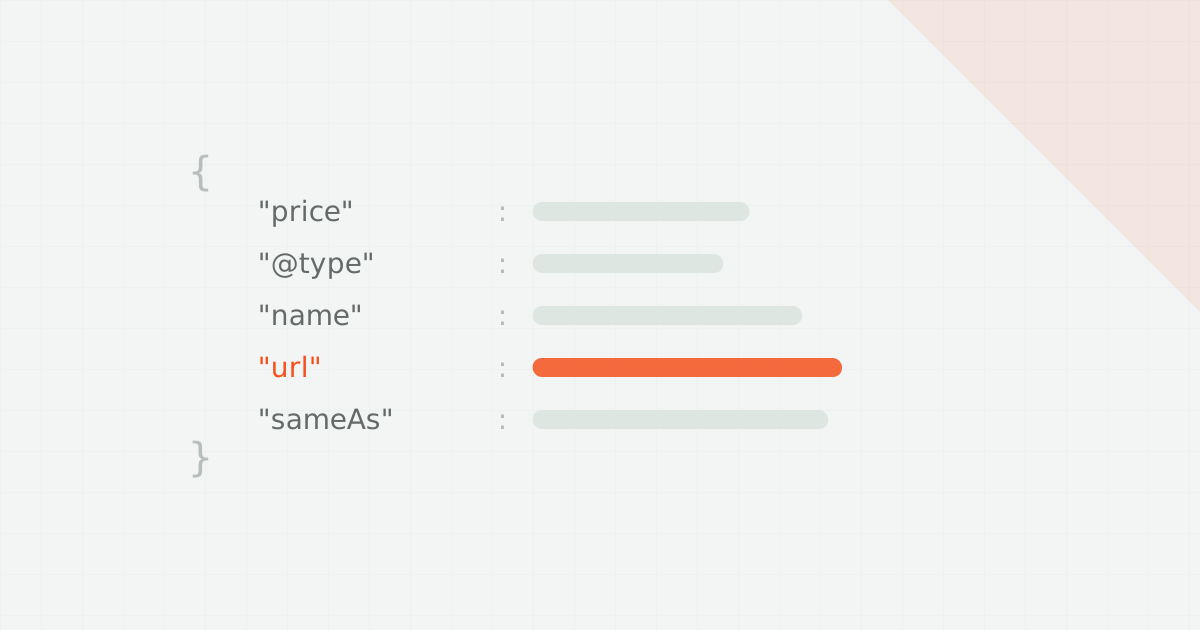
llms.txt: a working example, the format, and an honest note on what it does
A copyable file you can ship today, plus the part most write-ups skip: no major engine has committed to reading it.
ChatGPT SEO: three agents, three decisions, one common mistake
OpenAI names three separate agents with three separate jobs. Treating them as one is the single most common way sites remove themselves from ChatGPT results by accident.
Gemini SEO: what you actually control, and what you only declare
Gemini grounding is governed by a usage control rather than a crawler, which changes both how you optimise for it and how you can verify anything.
Perplexity SEO: the engine where a citation mistake shows up fastest
Perplexity cites sources on nearly every answer. That makes it the cheapest engine to diagnose against — and the most expensive one to stay blocked on.
How to appear in Google AI Overviews without losing your Search listing
AI Overviews and Google Search share an index but not a decision. Google documents a control that separates them — most sites use it wrong or not at all.

How to get recommended by ChatGPT (and why being cited isn't the same thing)
Mentioned, cited and recommended are three different outcomes with three different causes. Conflating them is why most GEO work stalls.
Why is my brand not in AI answers? Six causes, in the order to check them
Absence from AI answers almost always has a mechanical cause, not a mysterious one. Here are the six, ordered from cheapest to check to most expensive to fix.

Best AI Marketing Platform for SEO & GEO: 8 Platforms Compared + Free GEO Score

Best GEO (Generative Engine Optimization )Tools in 2026: AI Visibility Tracking Tools Compared

Top AI Visibility Tracking Tools Compared: Features, Pricing, and Performance Analysis

Best AI Search Optimization Tools for Beginners to Improve AI Visibility in 2026
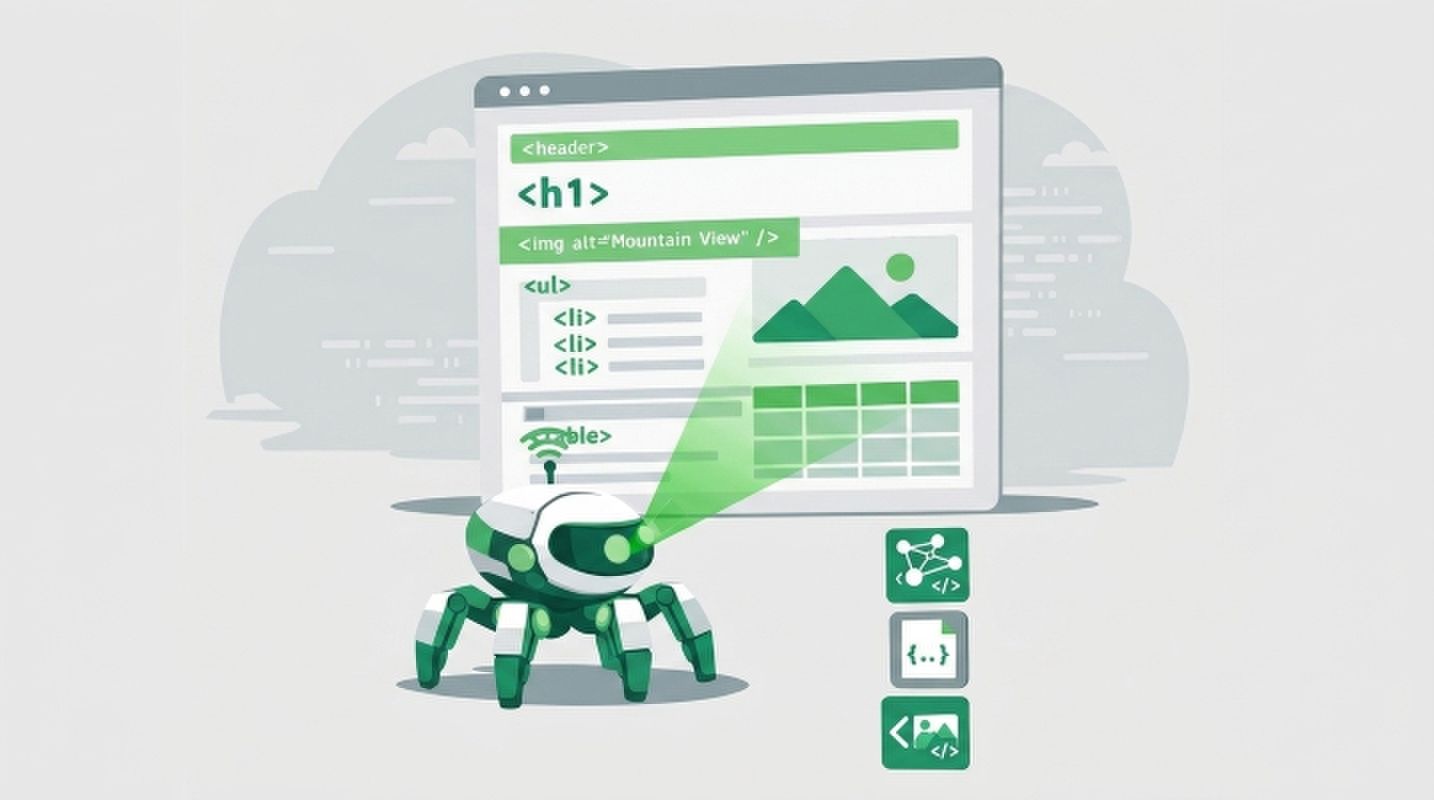
Top 10 AI Visibility Tools in 2026: GEO Tools Ranked (Honest Roundup)
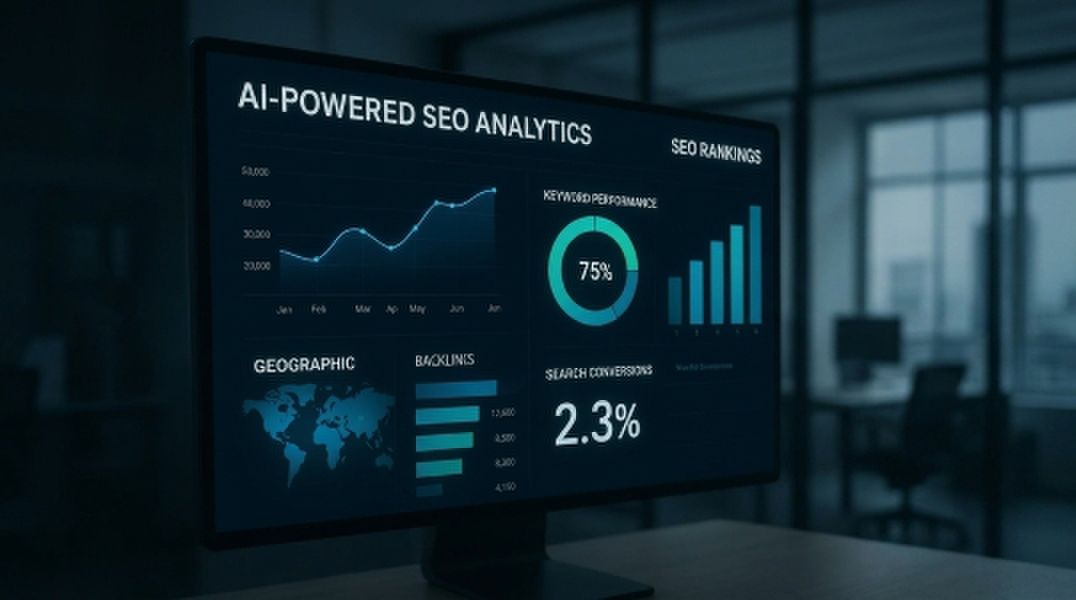
10 Best GEO Optimization Tools to Improve AI Search Visibility in 2026
_new1.jpeg)
Profound vs InsightWonder vs Peec AI vs Bloomiro: Best GEO Tools 2026 for ChatGPT, Google AI Overviews & Brand Visibility
_new.jpeg)
6 Best GEO Tools to Improve Your AI Search Visibility in 2026
_new1.jpeg)
Google Just Published Real Numbers on Its AI Search Tools.
_new1.jpeg)
300+ SMBs Reveal the Future of SEO, GEO, and Traffic in 2026
_new2.jpeg)
How AI Recommendations Are Reshaping Small Business Traffic in 2026
_new.jpeg)
Is GEO Worth It for Small Businesses in 2026?
_new2.jpeg)
Why the World Can't Stop Talking About Reddit and Quora in 2026?
_new2.jpeg)
2026 Why Are Consumers Increasingly Relying On AI For Shopping?
_new1-1%20(1)_new.jpg)
2026How E-commerce Brands Can Boost AI Shopping Recommendation Exposure Through GEO
_new.png)
What Does a Brand Need to Do to Get Into AI Answers?
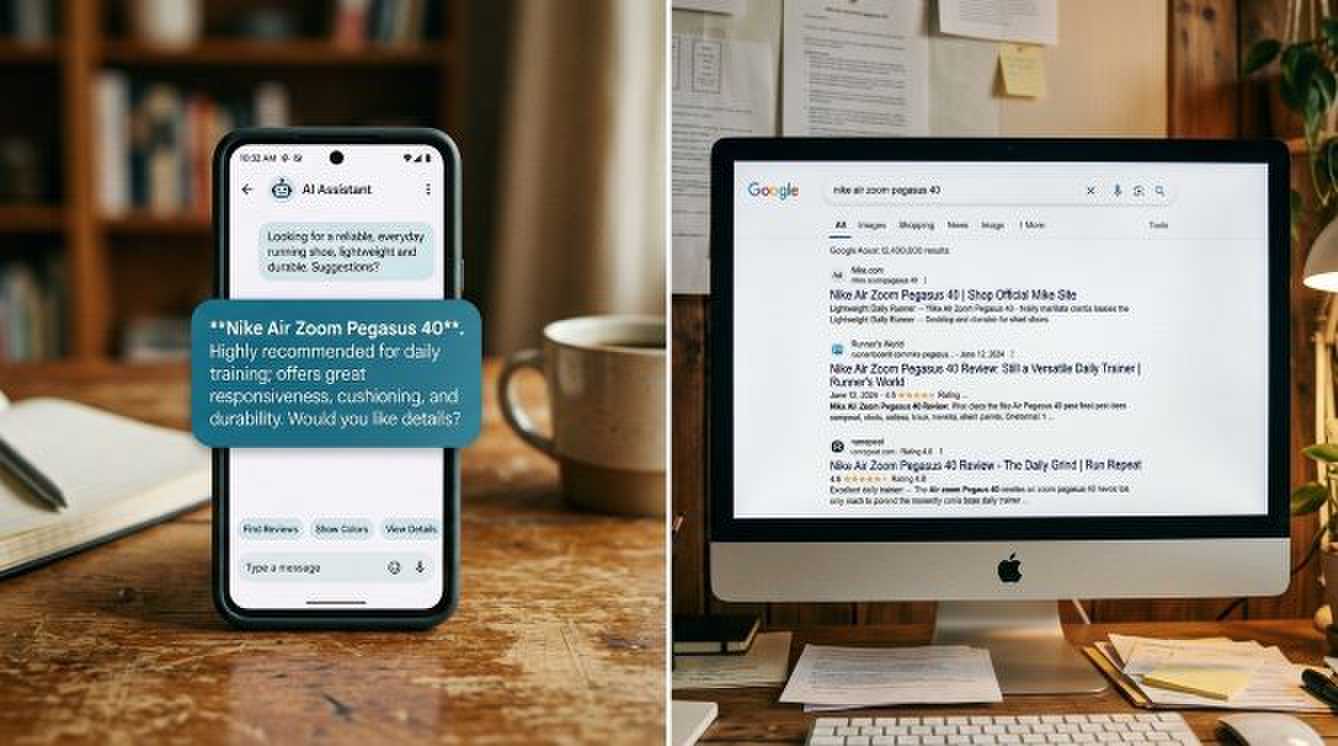
Your Competitors Are Getting Recommended by AI in 2026 — While You're Still Optimizing for Google

Why Can't ChatGPT Find Your Brand? The 2026 GEO + SEO Playbook
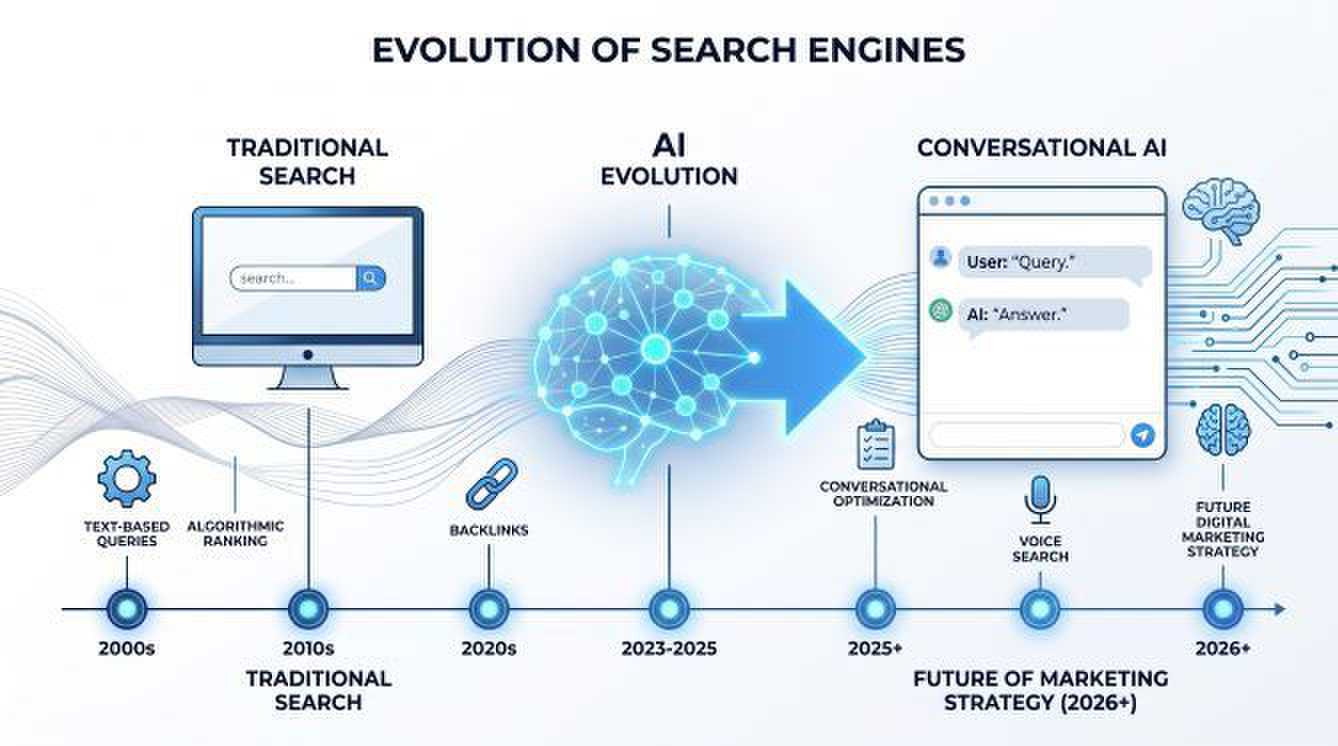
2026 Why AI Recommendations Are Replacing Traditional Search Clicks
What is GEO? The complete 2026 guide to getting recommended by AI
What GEO is, how it differs from SEO, and the actionable steps to get cited and recommended by ChatGPT, Perplexity and Gemini.
How to get ChatGPT to cite your website: 7 steps
From crawlability to structured content, 7 steps to raise your odds of being cited by ChatGPT.
Questions teams ask before they start
What belongs in Learn instead of Blog?
Learn holds evergreen implementation guides. Blog holds timely analysis, product updates, field notes and opinion.
Why separate glossary terms into individual pages?
Each term page answers one definitional intent clearly and can connect readers and answer engines to deeper guides and product evidence.
How are reports different from articles?
Reports require a defined method, data scope, update date, limitations and reusable findings.
Is the content gated?
No. Guides, glossary entries and reports are readable without an account.
How often is it updated?
The AI answer layer moves quickly, so material is revised when methods or engine behaviour change rather than on a fixed calendar.
Can these methods be used without the product?
Yes. The measurement framework is documented so a team can run it manually; the product exists to make it repeatable at scale.
Turn AI visibility into a repeatable growth system.
Create a project, confirm your market and start measuring the questions that matter.